

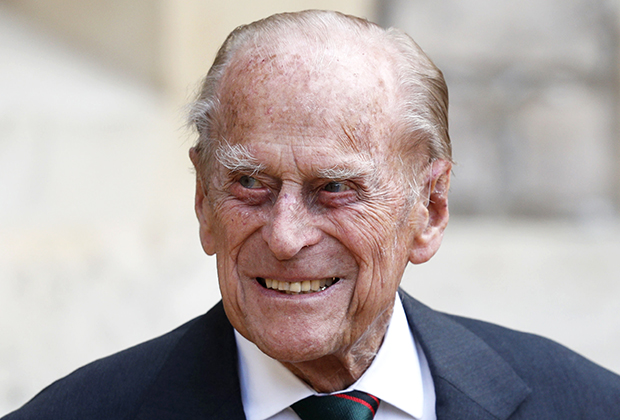
After Prince Philip’s death was announced on Friday, the British public broadcaster instantly switched into a kind of mourning mode: the BBC canceled its usual programming and began special coverage with news anchors dressed in black throughout the day. Popular prime-time programs, such as the MasterChef cooking competition, were suspended, and the network’s radio stations played somber instrumental music.
Some Britons saw the BBC’s actions as an appropriate show of respect for the monarchy, but for others, it has been too much.
The BBC received so many complaints alleging that its coverage was excessive that it set up a special website for viewers to register their objections. It did not reveal how many people had complained as of Saturday.
Simon McCoy, a former BBC news presenter who recently left the network, was among those who felt the coverage was excessive.
BBC1 and BBC2 show the same and presumably the news channel as well. Why? I know this is an important event, but surely the public deserves programming choices, McCoy tweeted.
Other TV stations in Britain also gave extensive coverage to Philip’s death at 99, but the BBC is publicly funded and often receives criticism from all sides for the way it deals with major national events. When Queen Mother Elizabeth died in 2002, the network was criticized because the announcer who broke the news was not wearing a black tie.
Private broadcaster ITV aired news and tribute programs throughout Friday instead of scheduled programming.
However, the BBC is under unique pressure. For a time, the government weighed eliminating the £159 ($218) a year fee that every British household pays to fund the broadcaster.
In recent years, scrutiny and questions about its role have increased as its commercial rivals and streaming services provide the public with other alternatives.

