

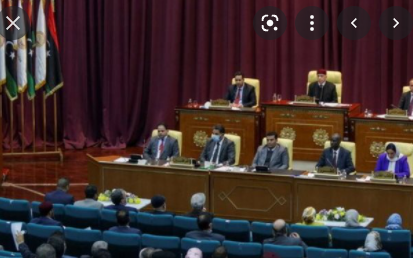
The warring sides in Libya reached a preliminary agreement on the withdrawal of mercenaries and foreign fighters from the North African nation, according to the United Nations. It is one more step toward unifying the violence-ravaged country.
The dispute over mercenaries and foreign fighters had long been a stumbling block, especially ahead of Libya’s general elections, scheduled for December.
Libya plunged into chaos following a NATO-backed popular uprising in 2011, in which longtime dictator Moamar Qaddafi was overthrown and killed. The oil-rich country was divided for years between rival governments, one based in the capital, Tripoli, and the other in the east of the country. Each side was supported by different foreign powers and armed groups.
A 10-member joint commission with five representatives from each side signed on Friday to a gradual and balanced withdrawal after three days of United Nations-facilitated negotiations in Geneva, the U.N. mission mediating between the factions said.
The plan would form the basis of a gradual, balanced and sequenced process of withdrawal of mercenaries and foreign forces, the mission said.
Jan Kubis, UN special envoy for Libya, welcomed the agreement as another defining achievement.
The Libyan crisis gained prominence in 2019 when military commander Khlalifa Hifter allied with the eastern-based government launched an offensive to seize Tripoli from armed militias that have a loose alliance with the weak U.N.-backed government in the country’s capital.
Hifter had the support of Egypt, the United Arab Emirates, Russia and France. But his 14-month campaign and advance on Tripoli ended in failure in June 2020 after Turkey sent troops to help the UN-backed government, which was also supported by Qatar and Italy.
After the fighting reached a stalemate, UN-brokered talks triggered a ceasefire in October and installed an interim government that is expected to run the country until elections in December.
The cease-fire also called for the departure of foreign forces and mercenaries within three months, something that had not been implemented.
Friday’s agreement creates positive momentum on which progress should be made toward a stable and democratic phase, including the holding of free, credible and transparent elections on Dec. 24 with results accepted by all, Kubis said.
The sides said they would now return to discuss that issue with their base and the international actors involved to support the implementation of this plan and respect for Libya’s sovereignty.
The agreement also called for the deployment of UN observers to monitor the ceasefire before the withdrawal agreement was implemented.
In December, then-acting UN envoy Stephanie Williams estimated that at least 20,000 foreign mercenaries and fighters have passed through Libya in recent years. Among them were Russian, Syrian, Sudanese and Chadian nationals.
Although the mercenaries deal was interpreted as a step forward, Libyan lawmakers in the east set back the peace process when they voted to delay parliamentary elections to January, a month later.
It was initially unclear what the consequences of the lawmakers’ vote would be.

