

Landmark Study Urges Shift in Trachoma Treatment Strategy After Eye Drops Prove Ineffective
Addis Ababa, Ethiopia – A major clinical trial conducted in Ethiopia’s Jimma Zone has revealed that fluorometholone 0.1% eye drops, commonly used after surgery for trachomatous trichiasis (TT), do not prevent the recurrence of the condition. The study, known as the Fluorometholone as Adjunctive Medical Therapy for TT Surgery Trial (FLAME), calls for a renewed focus on surgical quality improvement and alternative techniques to combat trachoma-related blindness.
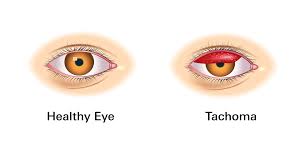
Trachoma, a bacterial eye infection caused by Chlamydia trachomatis, can lead to TT, a painful condition where repeated infections cause the eyelashes to turn inward, scratching the eye and potentially causing blindness. TT surgery aims to correct this, but recurrence is a persistent challenge.
The FLAME trial, a double-blind, randomized controlled study involving 2,410 participants and 3,240 eye operations, found that fluorometholone 0.1% eye drops offered no therapeutic advantage in preventing TT recurrence after surgery, mirroring the outcome of a placebo. The study was funded by the US National Eye Institute of the National Institutes of Health and maintained a high follow-up rate of 98% after 12 months.
Dr. Wondu Alemayehu, a senior ophthalmologist and FLAME Trial co-investigator, emphasized the significant impact of TT on affected individuals, particularly mothers and women, highlighting the excruciating pain, discomfort, and disruption to livelihoods it causes. He stated that the study’s findings provide valuable insights for addressing TT and other vision-impairing conditions prevalent in trachoma-endemic communities.
Professor John Kempen of Harvard Medical School, the FLAME Trial director, lauded Ethiopia’s leadership in field research, emphasizing the trial’s potential to guide global trachoma treatment approaches and benefit participants and research staff.
The study’s key findings underscore that anti-inflammatory eye drops alone are insufficient for preventing TT recurrence. Instead, the data suggest that prioritizing strategies to improve surgical quality holds greater promise. Specifically, the study recommends expanding the use of Posterior Lamellar Tarsal Rotation (PLTR), a surgical technique that demonstrated lower recurrence rates, especially among newly trained surgeons, compared to the alternative BLTR surgery. The study also highlights the effectiveness of refresher surgical training using mannequins, coupled with supportive supervision and mentorship, in improving TT surgery outcomes.
Ethiopia bears the highest burden of trachoma worldwide, making evidence-based policy decisions crucial. The study’s results indicated no reduction in postoperative TT with fluorometholone 0.1% eye drops, with an identical outcome to the placebo. The study also confirmed high patient satisfaction, with over 90% of participants reporting being very satisfied with their surgical outcomes.
Based on these findings, the study recommends against the routine use of fluorometholone 0.1% eye drops in trachoma trichiasis surgery programs in Ethiopia and similar settings. Instead, the focus should shift towards surgical quality enhancement, PLTR expansion, and the establishment of institutionalized refresher training systems.
The FLAME trial was a collaborative effort involving local partners such as Berhan Public Health & Eye Care Consultancy, the Fred Hollows Foundation–Ethiopia, and the Oromia Health Bureau and Jimma Zone Health Office, as well as international partners including Mass Eye and Ear/Harvard Medical School, the University of Pennsylvania, the Fred Hollows Foundation–Melbourne, and the London School of Hygiene & Tropical Medicine.

