

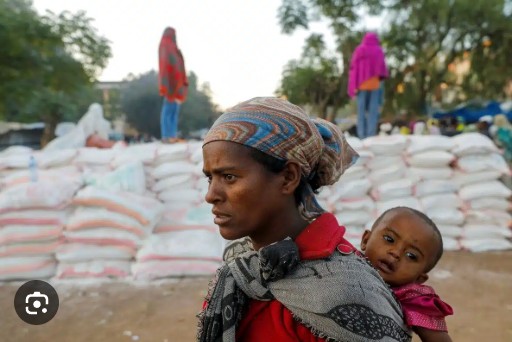
Starting February 8th, Ethiopia will impose a 5% levy on all mobile airtime and data purchases to bolster its national disaster response fund. This new measure affects both Ethio Telecom and Safaricom users and aims to create a stable source of domestic funding for emergency preparedness, reducing the nation’s reliance on international aid.
The directive, dated January 16, 2025, mandates contributions to the Disaster Risk Response Fund, marking a shift from voluntary donations. Officials have framed this as a “home-grown resilience strategy,” emphasizing the central role of local institutions in financing Ethiopia’s disaster readiness.
This initiative follows disruptions in international aid, including the suspension of USAID disbursements in January 2025. The Ethiopian government is responding by establishing a comprehensive domestic financing framework for disaster management.
According to analyst Dr. Mikiyas Mulugeta, the levy represents a significant step towards self-sufficiency in emergency funding. He stated that, “This measure will make the flow of emergency funds steady and predictable,” adding that global events necessitate greater self-reliance. Dr. Mikiyas also cautioned that proper regulation is crucial to prevent misuse of the levy.
The telecom levy is part of a broader contribution system across various sectors. Banks and microfinance institutions will remit 1% of total loan values, while insurance companies will contribute 1% of collected premiums. A 1% annual levy will be applied to corporate shareholder dividends, and digital banking services will face a 5% surcharge on service fees.
Additional measures include a 100 birr surcharge on domestic airline tickets, a 5% levy on maritime transport and logistics services, and a 1 birr per liter charge on fuel. Administrative and federal services will incur fixed fees of 200 birr. The Federal Customs Commission will remit 60% of proceeds from confiscated contraband sales semi-annually.
Manufacturers and importers of chemicals will contribute 1% of monthly sales or import values, while tobacco and alcohol producers and importers will remit 5% of monthly sales. The gaming sector will contribute 1% of lottery ticket prices and winnings. The federal government will allocate 0.25% of its annual budget quarterly, matched by Addis Ababa and Dire Dawa city administrations.
The Disaster Risk Management Commission will oversee compliance and monthly reporting, with legal consequences for non-compliance.
While the government positions the levy as a move towards national self-sufficiency, consumers and businesses will face increased costs on everyday transactions. Dr. Mikiyas Mulugeta predicts that service providers will likely adjust rates to cover the charges, passing costs onto households and businesses. He concludes, “It isn’t too much for individual payers, but collectively it adds up and represents a substantial contribution to the economy.”

