

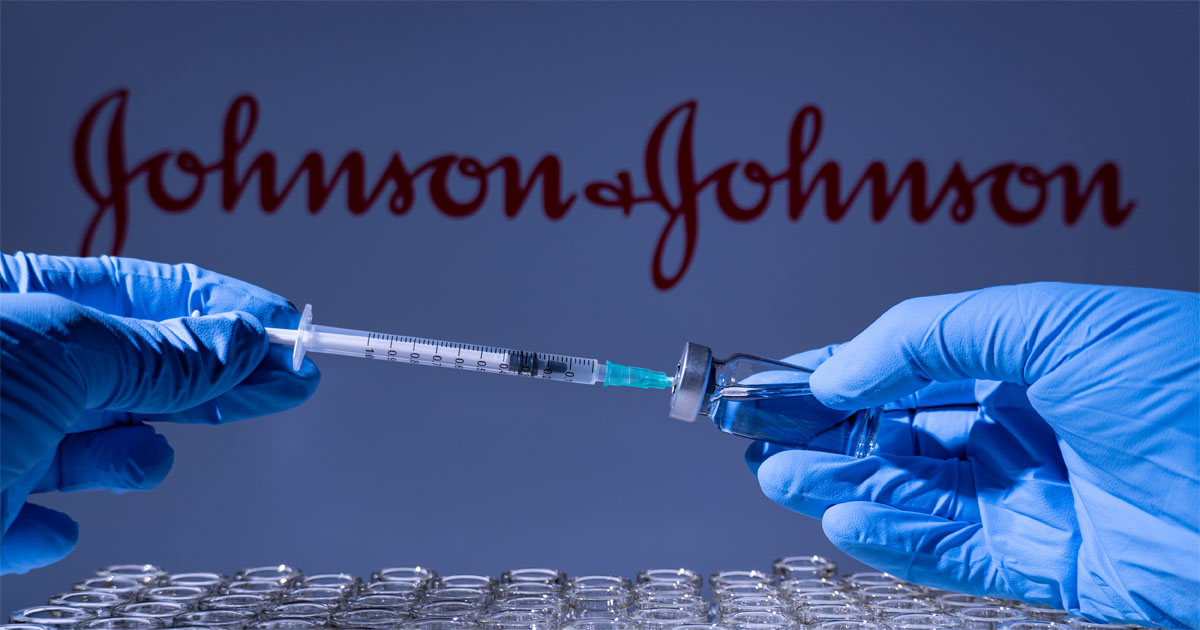
Prime Minister Justin Trudeau said Canada has an agreement with Johnson & Johnson to supply 10 million doses by September. It was not known at this time when Canada might receive the first batches of the vaccine.
Trudeau announced that Pfizer would deliver an additional 1.5 million doses to Canada in March and a million more in April and May.
We have reason to be optimistic. We’re going to get things moving, Trudeau said. But we still know that these are global supply chains that are being established and there is always the possibility of disruptions.
The United States approved Johnson & Johnson’s vaccine last month. The Food and Drug Administration (FDA) said J&J’s vaccine offers strong protection against the most important aspects: severe illness, hospitalization and death. A single dose was 85% effective against the most severe COVID-19 in a large-scale study spanning three continents, and that protection remained at a good level even in countries such as South Africa, where the variants of greatest concern are spreading.
J&J is also seeking European and WHO approval for emergency use of its vaccine. The company plans to produce about 1 billion doses globally by the end of the year. Last month, the island nation of Bahrain became the first to license its vaccine.
Because of vaccine shortages in Canada, provincial governments have said they will extend the interval between the two doses of the Pfizer, Moderna and AstraZeneca vaccines to four months, instead of three to four weeks, in order to inoculate more people more quickly.

