


The increase in temperatures could directly trigger the sighting and proliferation of dangerous arachnids within urban and rural environments.
Among the most efficient botanical options, three specific aromatic plants stand out: lavender, rue and mint (or peppermint), which have organic compounds capable of acting as natural repellents.
The correct distribution of these plant species in critical access points allows the establishment of a protective olfactory barrier. which considerably reduces the risk of incidents at home.
Scorpions have a sensory system that is extremely sensitive to chemical and olfactory stimuli in the environment.
Lavender is positioned as one of the best decorative options because it gives off an intense smell that scorpions cannot tolerate.
To optimize its performance, experts suggest planting it in very sunny outdoor areas near entrances or, failing that, scattering its dried flowers directly on window sills and in the darkest corners of the property.
Besides, Rue (scientifically known as Ruta graveolens) has generational support because its essential oils produce a penetrating odor. It is recommended to place rue specimens in pots located near the windows or main entrances to the home.
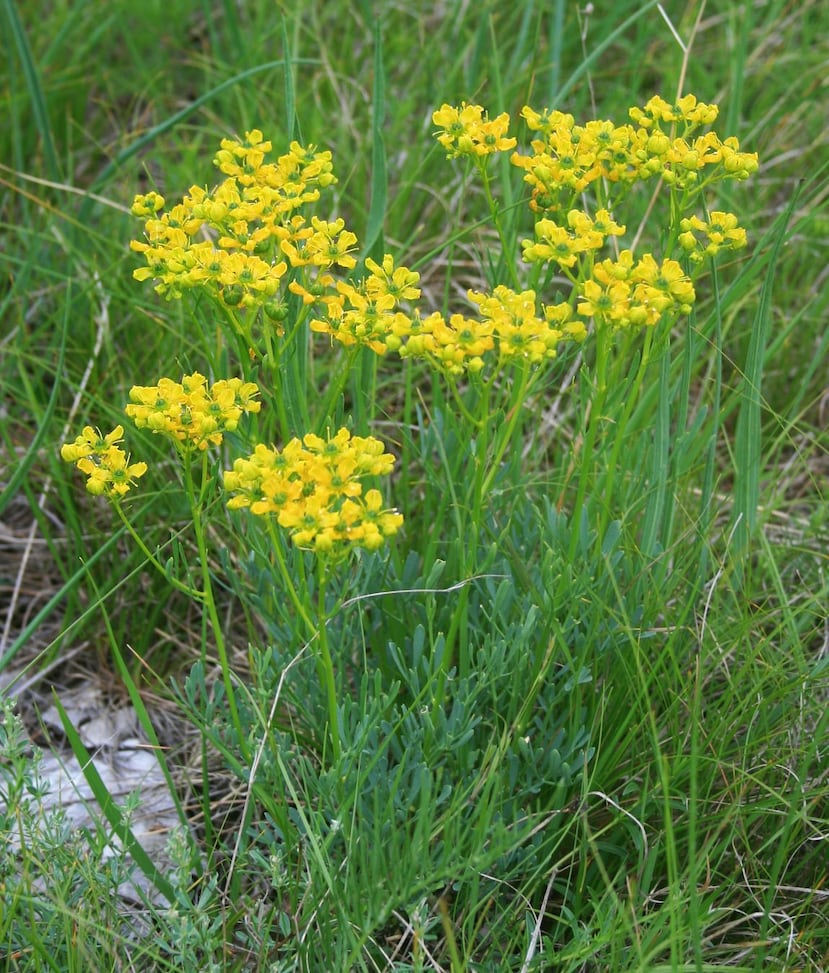
Regarding its handling, the National Commission for the Knowledge and Use of Biodiversity (CONABIO) issues a caution note warning that “it is necessary to use gloves when handling it, since its leaves can cause irritation or dermatitis on sensitive skin.”
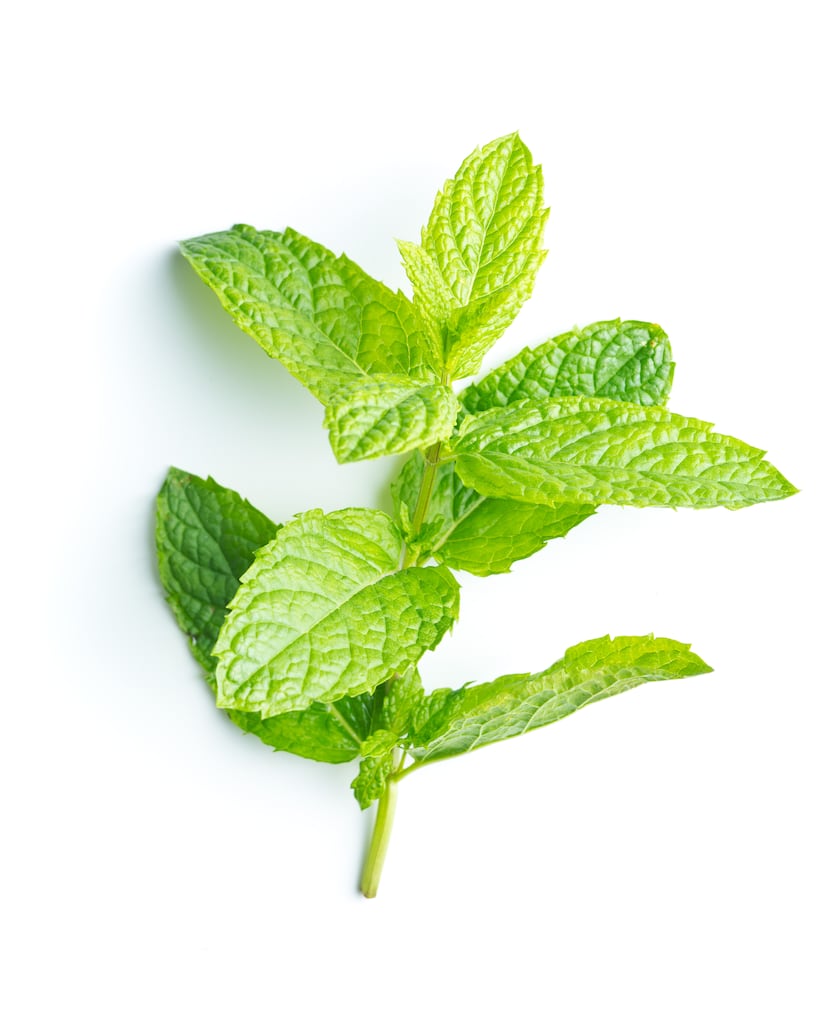
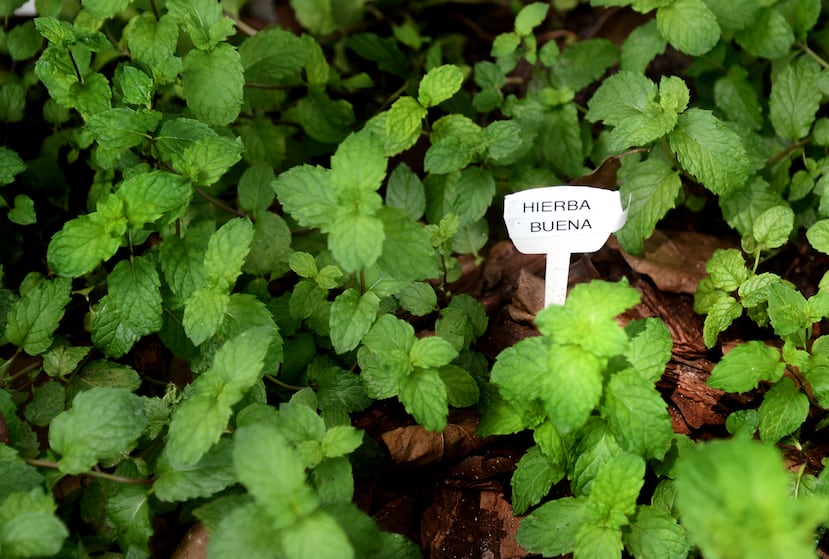
Finally, Mint and peppermint provide an extremely fresh aroma that is intolerable to both scorpions and other common pests.easily adapting to stable indoor environments that have a higher concentration of humidity.
Despite the benefits offered by these three botanical alternatives, institutes specialized in environmental health constantly remind that the presence of repellent plants never replaces the basic protocols for organizing and cleaning the home.
The World Health Organization (WHO) points out in its residential vector control guides that structural factors are decisive in cutting off the nesting cycle of these arachnids, which seek refuge in shady and untidy places.
To comprehensively protect the security of the home, health authorities recommend simultaneously implementing the following mechanical actions: installing mosquito nets on the windows, placing rubber or brush weather stripping on the bottom of the doors and fixing sanitary grates with fine mesh in all drains and strainers.
Likewise, it is advisable to inspect the surroundings of the property to rigorously avoid the accumulation of debris, firewood, leaf litter or organic garbage, thus eliminating potential hiding places and food sources for these species.
1 / 10 | The 10 plants that help refresh your house. 1. Ficus: Creates a fresher, healthier environment thanks to its ability to eliminate chemicals and improve air circulation. – Shutterstock

