


Over 11,000 herb plants have been recorded in TCM-related pharmacopoeia – ancient books with directions for identifying and combining them. The most commonly used consist of about 700 species.
Chee Hee Seng, 22, is a recent graduate of Xiamen University Malaysia’s school of traditional Chinese medicine. The Malaysian has attracted 367,000 followers on his Instagram account, @tcmbycheehee, where he shares TCM knowledge and tips – including simple herbal remedies for common complaints.
Remedies include cassia seeds, goji berries and chrysanthemum for eye health; ginger and millet congee with Chinese yam for digestive health; black sesame, fo-ti (Polygonum multiflorum) and black beans for kidney and hair health; and mung beans to heal acne.
“In TCM, we treat the root cause, ben, rather than just the symptoms, biao,” Seng says.
A diagnosis – arrived at through analysing symptoms, tongue and pulse conditions – is essential to determine the underlying “imbalance” in the body that must be addressed, he adds.
The medical text Huangdi Neijing, The Yellow Emperor’s Classic of Medicine, which dates back to the Warring States period (475BC-221BC), describes the belief that qi, the body’s vital energy, flows along meridians in the body.
Chinese herbal formulas often include multiple herbs working in harmony. Each plays a specific role to enhance effectiveness, reduce side effects and address different aspects of the condition, Seng says.
Knowing the appropriate dosage and avoiding toxic or incompatible combinations is crucial. For example, herbs like fuzi – also known as aconitum, aconite or Chinese wolfsbane – require careful preparation to eliminate toxicity.
Seng notes that TCM treatment is dynamic: as a person’s condition changes, prescriptions may need adjusting to ensure the treatment remains effective.
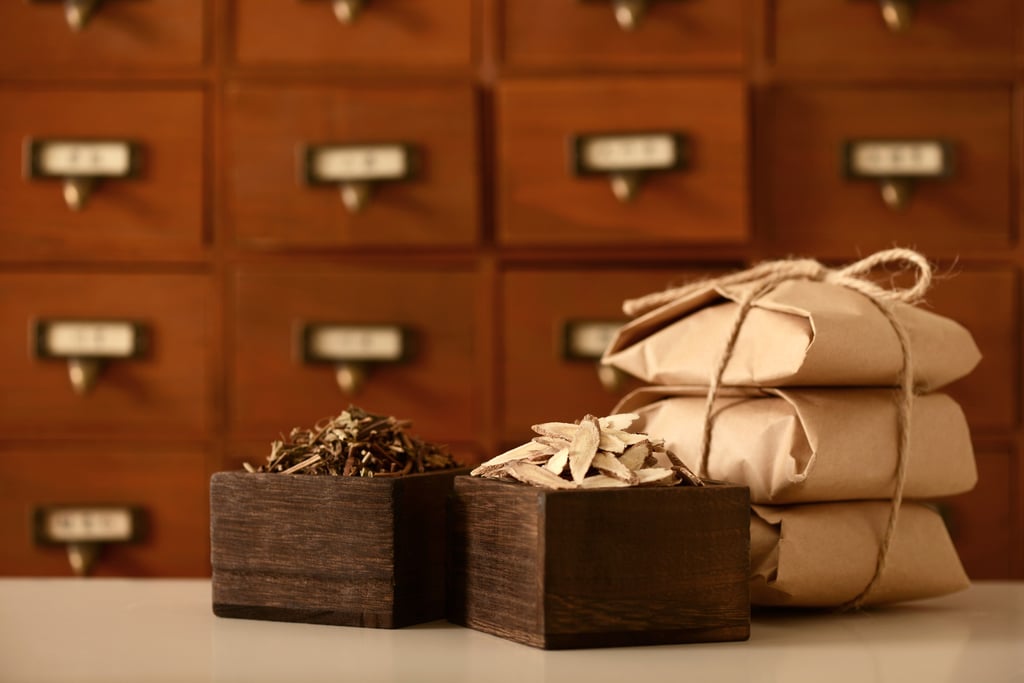
He cautions people who seek herbal remedies on their own or online.
Without seeing a qualified TCM practitioner, it is easy to misunderstand symptoms and select the wrong herbs, which could worsen the condition or create new imbalances, he says.
People may have unknown allergies, and some herbs interfere with Western medications. Hawthorn, for example, interacts with blood pressure medications such as beta blockers and calcium channel blockers.
Pregnant women, children and those with chronic conditions require extra caution. Some herbs that are generally safe can be harmful during pregnancy or for people with liver or kidney disease.

Elizabeth Yau, a TCM practitioner and sports nutritionist in Hong Kong, also shares practical tips on her Instagram account, @tcm.elizabeth.
Growing up in a family of six where they had her mother’s home-made herbal soup every day, she learned to appreciate the foundation of good health – which included having food that is suited to your body type.
According to TCM, a person’s body constitution may be hot, cold or neutral, and foods and herbs have warming, cooling or neutral properties, with benefits for certain organs. Matching the foods to your constitution is key to staying well, Yau says.
Warming foods like ginger and cinnamon can help people with a “cold” constitution by boosting circulation and energy, while cooling foods like cucumber, watermelon and mung beans are ideal for individuals with a “hot” constitution, to reduce heat and inflammation.
Herbal remedies complement diet by boosting organ function, nourishing deficiencies or dispersing excesses, Yau adds.
For liver health – closely tied to stress and emotional balance – chrysanthemum flowers can help soothe irritability, clear toxins and improve sleep.
On Instagram, Yau offers tips for growing healthy hair, including having black sesame seeds, walnuts and mulberries to strengthen kidneys and boost blood circulation.
Preventing winter illnesses with herbs
Winter is the season of yin energy, characterised by cold, stillness and the need for preservation. Colds, flu, bronchitis, arthritis and sinusitis that are particularly prevalent often arise from cold, wind and dampness, Yau says.
Cold weather constricts the body, increasing the likelihood of joint pain, respiratory problems such as worsening asthma and bronchial sensitivity, cardiovascular diseases, and weakened immunity. It can deplete kidney energy, leading to issues such as lower back pain, fatigue and poor circulation.
To support health during winter, Yau recommends:
-
Brewing a warm tea with red dates, ginger and longan to boost yang energy and improve circulation
-
Soaking your feet in warm water with ginger or mugwort before bed to promote blood circulation, dispel cold and relax
-
Having warming foods that boost vitality and kidney energy, and avoiding raw, cold foods that may strain digestion
“Sleeping is the most natural way to recharge our yang energy and speed up recovery,” he says.
For those suffering from a lingering dry cough, he offers a herbal soup recipe on his Instagram account:
-
Sha shen (Glehnia root) – to hydrate and soothe dryness and relieve throat irritation
-
Dried snow pear – to moisten the lungs, clear heat and ease cough
-
Northern and southern almonds (nan bei xing) – to support lung health and calm coughing
-
Lily bulb – to nourish the lungs, reduce cough and promote relaxation
-
Dried figs – to clear heat, soothe the throat and support digestive health
-
Luo han guo (monk fruit) – to clear heat, relieve throat discomfort and calm persistent cough
-
White fungus (tremella) – known as “poor man’s bird’s nest”, it hydrates and supports lung health
-
Honey dates – add natural sweetness and balance herbal flavours

